Bill C-9 and Canada’s Religious Freedom Debate: Why Christians Are Paying Attention
A growing number of Canadian Christians believe the nation stands at a crossroads.
For many believers, the debate surrounding Bill C-9, known as the Combatting Hate Act, is about far more than a single piece of legislation. It represents a broader conversation about religious liberty, freedom of expression, conscience rights, and the future place of faith in Canadian society.
Supporters of the legislation say it’s necessary to combat rising hatred, extremism, intimidation, and violence directed at vulnerable groups. Opponents, however, fear the legislation could weaken protections for religious expression and create uncertainty for churches, ministries, educators, healthcare workers, and everyday believers seeking to live according to their faith.
The concern has sparked an unprecedented response.
In an interview with Mission Network News recently, Floyd Brobbel of Voice of the Martyrs Canada, more than 100,000 Canadians have contacted lawmakers expressing concern over the bill and what many see as vague definitions surrounding hatred and religious expression.
Public rallies have taken place in Ottawa. Legal organizations have submitted recommendations. Churches and ministries have encouraged believers to pray, speak up, and engage respectfully with elected officials.
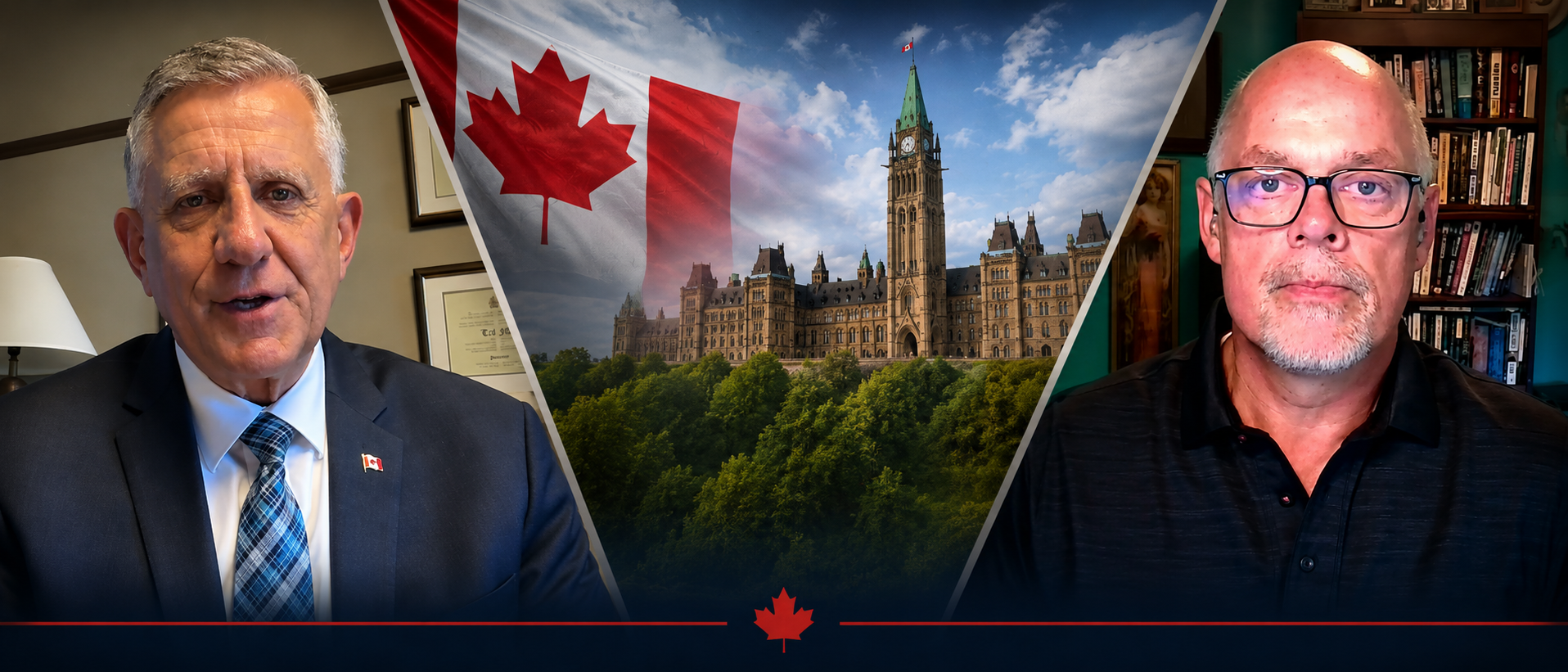
One of those elected officials is Ted Falk, a Member of Parliament representing Provencher, Manitoba. Falk, is a friend of Keys for Kids Ministries. He recently spoke with Keys for Kids Ministries on the Special Edition Keys for Kids Connect podcast about the legislation and why many Christians are concerned.
“Hate is real,” Falk said. “I don’t think anybody condones hatred toward any group in any form.” However, he believes Bill C-9 goes beyond addressing criminal acts and moves into the realm of beliefs and opinions. Falk argues that existing Criminal Code provisions already address violence and criminal hatred. The concern, he says, is that the new legislation attempts to address what people believe and think rather than simply what they do.
The Broader Context
Many Christians see Bill C-9 as part of a larger cultural shift taking place throughout Canada.
In Quebec, Bill 21 continues to generate controversy by prohibiting many public-sector employees—including teachers, judges, and police officers—from wearing visible religious symbols while working. The law’s use of the “notwithstanding clause” to override certain Charter protections has triggered a significant constitutional debate over the limits of religious expression in public life.
At the same time, healthcare professionals across Canada have raised concerns about conscience protections. Some doctors and nurses have faced pressure or legal challenges when attempting to opt out of procedures such as abortion or Medical Assistance in Dying (MAiD) because of deeply held religious convictions.
Canada’s changing demographics also play a role. National statistics indicate that more than one-third of Canadians now identify as having no religious affiliation. As society becomes increasingly secular, many institutions are moving toward a more religion-neutral public framework. That’s why Keys for Kids is working in Canada. We’d like to see that change.
For some Christians, these developments raise an important question: Is Canada becoming less accommodating of religious conviction in public life?
Why Bill C-9 Matters
One of the most controversial aspects of Bill C-9 involves the removal of a longstanding Criminal Code protection related to good-faith religious expression.
Falk explained that during committee review, an amendment supported by Bloc Québécois members and Liberal lawmakers removed the good-faith religious exemption from portions of the Criminal Code. Conservatives attempted to restore the language but were unsuccessful.
Supporters of religious liberty argue that this protection recognized an important distinction: expressing sincerely held religious beliefs isn’t the same as promoting hatred. It’s having an OPINION. Free speech.
Most Christians agree that speech encouraging violence, intimidation, or harm should never be protected. But many are concerned that removing explicit protections creates uncertainty about how future courts, governments, and activist groups may interpret biblical teaching. It could become a perpetual state of lawfare, creating an anti-Christian atmosphere in Canada.
The concern is that Canada is following in the footsteps of Great Britian where an increasing number of people are being arrested for speaking out against the culture and standing on biblical truth. Some have been arrested and fined for expressing themselves on X and other social media platforms. Critics also fear that churches, ministries, schools, and individual believers could face complaints, investigations, legal expenses, or regulatory challenges for expressing traditional biblical convictions.
Falk points to another troubling development. More than 200,000 postcards opposing the legislation were reportedly sent to senators. According to Falk, those postcards were never delivered and remain stored in Ottawa. He argues that this prevented senators from seeing the full extent of public opposition to the legislation.
What Could This Mean for Ministries?
For Keys for Kids Ministries, the issue affects our mission and vision of Igniting a passion for Christ in kids, teens, and families worldwide, giving each person an opportunity to respond to the liberating power of the Gospel. A part of that is teaching a biblical worldview off ALL things, including sexuality.
Our teen devotional, Unlocked, regularly addresses challenging topics facing young people today, including sexual purity, biblical marriage, pornography, identity, same-sex attraction, repentance, and God’s design for relationships.
When asked whether ministries could face challenges for publishing biblical perspectives on such issues, Falk acknowledged the possibility. “Under this new bill, they could potentially be a problem,” he said, while emphasizing that the legislation will almost certainly face court challenges regarding its constitutionality.
Ultimately, those questions may be decided by Canada’s courts.
Many legal experts believe constitutional challenges are likely. Others expect future cases to test where the line exists between protected religious expression and prohibited hate speech.
Where the Bill Stands Today
Bill C-9 has already passed the House of Commons and moved through the Senate process. The Senate rejected efforts to restore religious-expression protections but adopted another amendment related to hate symbols. As a result, the bill must return to the House of Commons for another vote before receiving Royal Assent and becoming law.
Falk says the legislation is not yet scheduled for final consideration but could return before Parliament’s summer break. If not, it is expected to reappear when Parliament reconvenes in September.
How Should Christians Respond?
The answer begins with prayer.
- Pray that lawmakers will act with wisdom.
- Pray that Canada’s leaders will preserve both public safety and fundamental freedoms.
- Pray that courts will uphold constitutional protections for religious liberty.
- Pray that churches will continue proclaiming the Gospel boldly and lovingly.
- And pray that believers will remain faithful regardless of cultural pressures.
Falk points to the biblical example of Esther. Though a law had already been passed, God provided a way forward through courage, faithfulness, and divine intervention. Christians today may find themselves in a similar moment. While legislation may change and cultures may shift, believers are called to remain faithful to Christ. “We have to continue to preach the good news and reinforce the principles we find in God’s Word,” Falk said.
Whether Bill C-9 ultimately becomes law or faces successful legal challenges, one thing remains clear: many Canadian Christians believe the conversation about religious freedom is far from over.